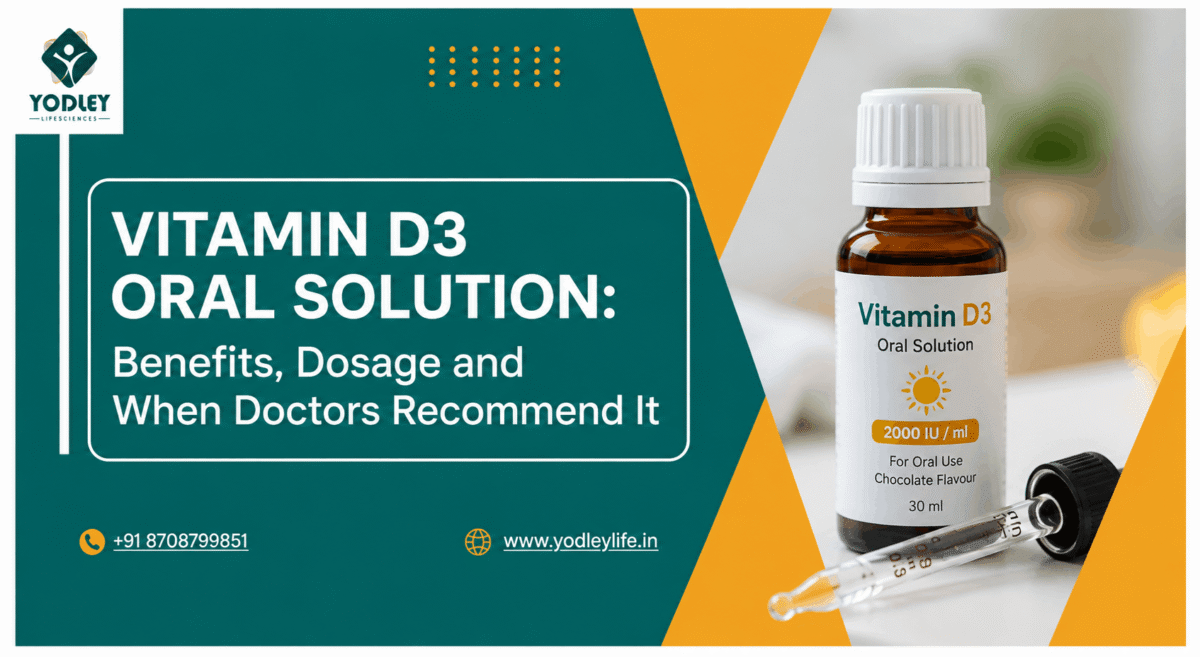
Vitamin D plays a role that goes far beyond bone strength, since it also supports muscle function, immune response, and calcium regulation throughout the body. For patients who cannot get enough sunlight exposure or dietary intake, a vitamin D3 oral solution offers a simple, fast-absorbing way to restore healthy levels without the discomfort of an injection. It is one of the most commonly recommended supplements for both children and adults dealing with confirmed deficiency.
This article explains what a vitamin D3 oral solution is, how it works in the body, its core benefits, and the situations where doctors typically recommend it. It also covers general dosage patterns and safety considerations so you understand the bigger picture before starting any treatment. If you are researching the vitamin D3 oral drops range available for clinical use, this guide will walk you through the science first.
What Is a Vitamin D3 Oral Solution?
A vitamin D3 oral solution contains cholecalciferol, the same form of vitamin D that the skin naturally produces when exposed to sunlight. Unlike vitamin D2, which comes from plant sources, cholecalciferol is considered more effective at raising and maintaining blood vitamin D levels over time. It is manufactured as a liquid formulation, which makes it easy to measure and administer, particularly for children or older adults who may struggle with swallowing tablets.
This oral vitamin D format allows the body to absorb the nutrient through the digestive tract, where it eventually reaches the liver and kidneys for conversion into its active form. A vitamin D3 oral drops formulation is typically available in specific strengths measured in International Units (IU), giving healthcare providers flexibility when tailoring a plan to a patient’s needs.
How the Body Uses Vitamin D3
Once consumed, cholecalciferol travels to the liver, where it converts into calcidiol, and then to the kidneys, where it becomes calcitriol, the active hormone form of vitamin D. This active form is what actually supports calcium absorption in the intestines and helps regulate calcium and phosphorus levels in the blood. Because this conversion process takes a few steps, consistent daily or scheduled dosing tends to work better than occasional large doses for maintaining stable levels.
Benefits of Vitamin D3 Oral Solution
Correcting a vitamin D shortfall through an oral solution supports several interconnected systems in the body, not just bone health. Because vitamin D receptors are found in tissues throughout the body, including muscles and immune cells, restoring healthy levels often brings noticeable improvements beyond what patients initially expect. Many providers recommend this format specifically because of how quickly it can be absorbed compared with waiting for adequate sun exposure.
Some of the primary benefits patients experience with consistent, medically guided use include:
Supports stronger bones by improving calcium and phosphorus absorption
Contributes to healthy muscle function and reduces the risk of weakness
Plays a supporting role in normal immune system function
Helps regulate mood, since vitamin D receptors are present in areas of the brain linked to emotional regulation
Assists in maintaining steady energy levels, since deficiency is often linked to fatigue
Offers a convenient liquid format that is easy to dose accurately for children and adults alike
These combined benefits make oral vitamin D a practical first-line option for correcting deficiency before considering more intensive interventions.
When Do Doctors Recommend Oral Vitamin D?
Vitamin D deficiency is more common than many people realize, particularly in regions with limited sun exposure or among individuals who spend most of their time indoors. Doctors typically order a blood test to check 25-hydroxyvitamin D levels before recommending supplementation, since both low and excessively high levels can cause health issues. Once a deficiency is confirmed, an oral solution is often the first treatment considered because of its ease of use and reliable absorption.
Common Situations Where Oral Vitamin D Is Recommended
Providers often turn to oral vitamin D in several specific scenarios, including:
Confirmed vitamin D deficiency identified through blood testing
Limited sun exposure due to lifestyle, climate, or occupational factors
Malabsorption conditions that reduce how well the body takes in nutrients from food
Growing children who need consistent support for healthy bone development
Older adults at higher risk of bone density loss and fracture
For pediatric cases in particular, combination formulations such as multivitamin and antioxidant drops for children are sometimes used alongside standalone vitamin D3 solutions when a child needs broader nutritional support rather than vitamin D correction alone.
Vitamin D3 Oral Solution Dosage Guide
Dosage for an oral vitamin D solution depends heavily on the severity of the deficiency, the patient’s age, and how their body responds during follow-up testing. There is no single dose that fits every patient, which is why healthcare providers rely on lab results to guide their recommendations rather than a fixed standard amount. Patients should never assume that more is better, since vitamin D is fat-soluble and can accumulate in the body over time.
Typical Dosage Patterns
In general clinical practice, dosage plans tend to follow a few common patterns:
An initial higher-dose phase to correct significant deficiency more quickly
A gradual step-down to a lower maintenance dose once levels normalize
Periodic blood testing to confirm the treatment plan is working as expected
Adjustments based on age, body weight, and any underlying health conditions
Some patients are prescribed combination products, such as a calcium and vitamin D3 suspension, when their deficiency is linked to broader calcium metabolism concerns rather than vitamin D alone.
Why Consistency Matters More Than Timing
Because cholecalciferol needs to go through liver and kidney conversion before it becomes active, missing doses or taking irregular amounts can slow down how quickly levels stabilize. Sticking to the schedule a provider recommends, rather than adjusting it independently, tends to produce more predictable and measurable results over the following months.
Bone Health and Vitamin D3 Oral Solution
Bone health is one of the most well-established reasons vitamin D3 oral solution is recommended, since vitamin D directly affects how much calcium the body can absorb from food. Without adequate vitamin D, calcium intake alone is not enough to maintain strong bones, which is why the two nutrients are so often discussed together. This connection becomes especially important for growing children, postmenopausal women, and older adults who are already at higher risk of bone density loss.
For patients who need more comprehensive support, combination formulations that include calcium, magnesium, zinc, and vitamin D3 are sometimes preferred over a standalone vitamin D3 oral solution. These formulations aim to address multiple nutritional gaps at once rather than treating vitamin D deficiency in isolation, which can be useful for patients with broader dietary shortfalls.
Vitamin D Absorption: What Affects It
Several factors influence how efficiently the body absorbs and processes vitamin D3, and understanding these can help explain why some patients respond faster to treatment than others. Fat intake at the time of dosing plays a meaningful role, since vitamin D is a fat-soluble nutrient that absorbs better when taken alongside a meal containing some dietary fat. Age, liver function, kidney health, and certain digestive conditions can also slow down the conversion process described earlier.
Common factors that affect vitamin D absorption include:
Taking the solution with a meal that contains healthy fats
Overall liver and kidney function, since both organs are involved in activation
Digestive conditions such as celiac disease or Crohn’s disease that limit nutrient uptake
Body weight, since vitamin D can be diluted across more fatty tissue in larger body sizes
Age-related changes that reduce how efficiently the skin and gut process nutrients
Safety Guidelines and Precautions
Vitamin D3 oral solution is generally considered safe when taken according to a healthcare provider’s instructions, but it does carry some precautions worth understanding. Because it is fat-soluble, unused vitamin D is stored in body tissue rather than excreted quickly, which means excessive intake over time can lead to toxicity. This is different from water-soluble vitamins, where extra amounts are typically flushed out through urine.
Some general safety points patients should keep in mind include:
Follow the exact dosage and schedule recommended by a healthcare provider
Avoid combining multiple vitamin D products without medical guidance to prevent excessive intake
Report symptoms such as nausea, weakness, or unusual thirst, which can indicate excess levels
Inform your provider of any kidney conditions before starting treatment
Store the solution as directed, away from direct heat or sunlight, to preserve potency
Schedule periodic blood tests if you are on a long-term supplementation plan
Following these precautions helps ensure that treatment remains both effective and safe over the course of therapy.
Why Choose a Trusted Manufacturer for Oral Vitamin D3
Consistency in formulation and manufacturing quality matters significantly for a nutrient like vitamin D3, since even small variations in potency can affect how well a treatment plan works. Partnering with a manufacturer that follows strict quality control standards helps ensure that every batch delivers the labeled strength accurately, batch after batch.
Yodley Lifesciences manufactures its oral vitamin D3 formulations under WHO and GMP-compliant facilities, giving healthcare providers and pharmaceutical partners a dependable source for consistent quality. This level of manufacturing discipline supports better patient outcomes across every stage of treatment.
Frequently Asked Questions
1. What is a vitamin D3 oral solution used for?
It is primarily used to treat and prevent vitamin D deficiency, which supports bone health, muscle function, and immune response. Doctors often recommend it after confirming low levels through a blood test rather than as a general precaution.
2. How is vitamin D3 different from vitamin D2?
Vitamin D3, or cholecalciferol, is the same form the body produces from sunlight and is generally considered more effective at raising blood levels than vitamin D2, which comes from plant sources. This is one reason oral vitamin D3 solutions are commonly preferred in clinical settings.
3. Can children take vitamin D3 oral solution?
Yes, oral solutions are commonly used for children since the liquid format allows for accurate, age-appropriate dosing. A pediatrician will determine the right strength and schedule based on the child’s age, weight, and any confirmed deficiency.
4. How long does it take to correct a vitamin D deficiency?
Recovery time varies based on how severe the deficiency was and how consistently the treatment plan is followed, but many patients see improved blood levels within a few months. Follow-up testing helps confirm whether the dosage needs to be adjusted.
5. Should vitamin D3 oral solution be taken with food?
Yes, taking it with a meal containing some dietary fat can improve absorption, since vitamin D is a fat-soluble nutrient. Providers often recommend pairing the dose with the largest meal of the day for better consistency.
6. Is it possible to take too much vitamin D3?
Yes, since vitamin D is fat-soluble, excessive long-term intake can lead to toxicity and elevated calcium levels in the blood. This is why dosage should always follow a healthcare provider’s guidance rather than self-adjustment.
7. Who is most at risk of vitamin D deficiency?
People with limited sun exposure, older adults, individuals with malabsorption conditions, and those with darker skin tones are generally at higher risk. A simple blood test can confirm whether supplementation is needed.
Conclusion
A vitamin D3 oral solution remains one of the most practical and reliable ways to correct deficiency and support long-term bone, muscle, and immune health, particularly for patients who cannot rely on sunlight or diet alone. From easing fatigue and supporting calcium absorption to playing a preventive role in bone density loss, this liquid formulation offers a level of convenience and consistency that makes it a preferred first step for many healthcare providers.
For pharmaceutical partners and healthcare providers seeking a dependable, quality-driven source of oral vitamin D3, Yodley Lifesciences offers a manufacturing standard built on strict quality checks and consistent formulation. To learn more about our oral vitamin D3 range or to discuss partnership opportunities, contact our team today and take the next step toward reliable, high-quality healthcare solutions.