

Vitamin B12 plays a central role in keeping the nervous system, red blood cells, and energy metabolism working the way they should. When the body cannot absorb enough of this vitamin through food alone, a methylcobalamin injection often becomes the fastest and most reliable way to restore healthy levels. Because it is injected directly into the muscle, it bypasses the digestive absorption issues that limit oral tablets, which makes it a preferred option for people with confirmed deficiency or ongoing nerve-related complaints.
This guide walks through what a methylcobalamin injection is, how it works, its key benefits, common uses, general dosage patterns, and the safety precautions every user should know. If you are exploring the injectable vitamin B12 range available for clinical use, this article will help you understand the science behind the product before you make any decision.
What Is a Methylcobalamin Injection?
Methylcobalamin is one of the two biologically active forms of vitamin B12, meaning the body can use it directly without converting it first. It supports the formation of myelin, the protective sheath around nerves, and plays a role in DNA synthesis and red blood cell production. Because it is water-soluble, any excess is naturally cleared from the body, which makes supplementation through injection a fairly straightforward process for most healthy adults.
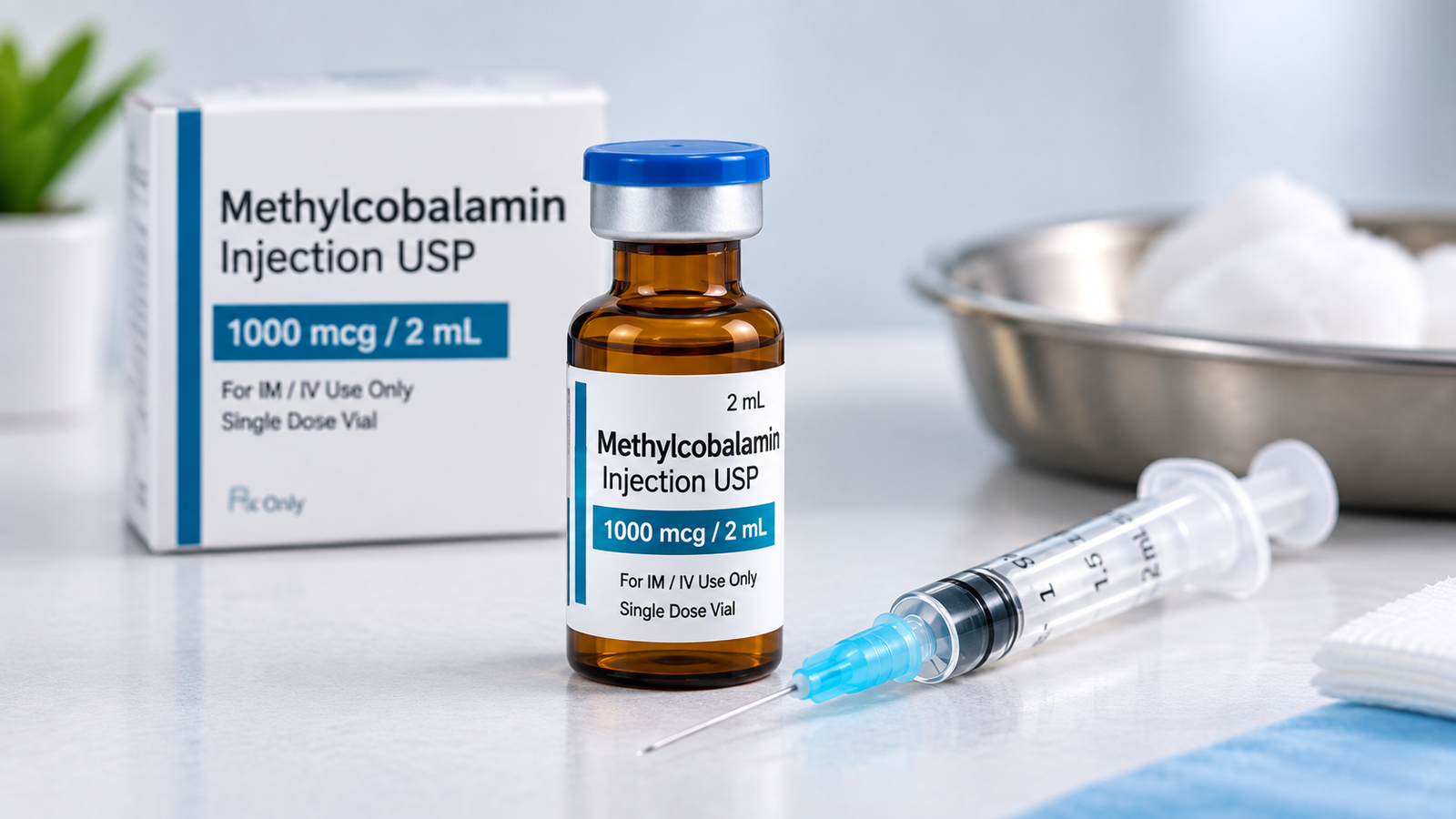
An injectable form, such as the methylcobalamin 1500mcg injection, delivers the vitamin straight into muscle tissue for quick absorption into the bloodstream. This route is especially useful for people whose gut cannot absorb B12 efficiently, including those with certain digestive conditions or older adults with reduced stomach acid production.
Why Injection Instead of Tablets?
Oral B12 supplements rely on a healthy digestive tract to break down and absorb the vitamin, and a portion of the dose is often lost in this process. An injection skips that step entirely, sending the vitamin directly into circulation. This is one reason healthcare providers frequently recommend injectable forms when a deficiency is more advanced or when a patient has a condition that interferes with absorption.
Benefits of Methylcobalamin Injection
Restoring healthy vitamin B12 levels through injection can support several body functions at once, particularly the nervous system and blood cell production. For people who have been running low on this vitamin for an extended period, the improvement in energy and mental clarity is often one of the first things they notice. Because methylcobalamin is the active form of B12, the body does not need to spend extra time converting it, which allows it to start working relatively quickly after administration.
Some of the main benefits associated with regular, medically supervised use include:
Supports healthy nerve function and helps maintain the protective myelin sheath
Assists in the production of healthy red blood cells, reducing fatigue linked to anemia
Contributes to normal cognitive function and mental alertness
Helps the body convert food into usable energy more efficiently
Supports mood regulation, since B12 is involved in neurotransmitter synthesis
Provides a faster route to correcting deficiency compared with oral supplements alone
These benefits make injectable B12 a practical option for people managing chronic deficiency, certain neurological complaints, or absorption-related conditions that make dietary intake insufficient on its own.
Common Uses of Methylcobalamin Injection
Healthcare providers turn to methylcobalamin injections for a range of conditions connected to low B12 levels or nerve-related discomfort. Below are the situations where this injectable form is most commonly used in clinical practice.
Vitamin B12 Deficiency Treatment
The most direct use of this injection is correcting confirmed vitamin B12 deficiency, which can develop from poor dietary intake, malabsorption disorders, or long-term use of certain medications. Left untreated, deficiency can progress from mild fatigue to more serious neurological symptoms, so timely correction matters. Combination formulations that pair methylcobalamin with vitamin C and folic acid are often used as part of a broader vitamin B12 deficiency treatment plan to support faster recovery in patients with wider nutritional gaps.
Nerve Health Injection Support
Because methylcobalamin is directly involved in maintaining the myelin sheath, it is frequently used as a nerve health injection to support patients experiencing tingling, numbness, or nerve-related weakness. This makes it relevant for people managing long-standing nerve irritation or recovering from nerve-related injuries where additional nutritional support can aid the healing process.
Neuropathy Treatment
For patients dealing with peripheral neuropathy, particularly the kind associated with diabetes or prolonged nutritional deficiency, methylcobalamin is often included as part of a broader neuropathy treatment plan. Formulations that combine methylcobalamin with pyridoxine and niacinamide are designed to give more comprehensive nerve support than methylcobalamin alone.
Methylcobalamin Dosage Guide
Dosage decisions should always be made by a qualified healthcare provider based on the severity of deficiency, the patient’s overall health, and how they respond to initial treatment. That said, understanding the general pattern used in clinical settings can help patients feel more informed about what to expect from their treatment plan.
Typical Dosage Range
Injectable methylcobalamin is commonly available in strengths such as 1500mcg and the higher-strength methylcobalamin 2500mcg injection, with treatment plans varying based on individual need. A typical methylcobalamin dosage plan may start with more frequent injections during the initial correction phase, followed by a maintenance schedule once B12 levels stabilize. The exact frequency, whether daily, weekly, or monthly, depends entirely on lab results and clinical judgment.
Factors That Affect Dosage
Several factors influence how a provider determines the right dosage and schedule for an individual patient:
Severity of the diagnosed deficiency based on blood test results
Underlying cause, such as malabsorption, dietary gaps, or medication interference
Age and overall metabolic health of the patient
Presence of neurological symptoms that may require a more aggressive correction phase
Response to initial treatment during follow-up testing
Patients should never adjust their own dosage or injection frequency without medical guidance, since both underuse and excessive use can affect treatment outcomes.
Signs You May Need Vitamin B12 Deficiency Treatment
Vitamin B12 deficiency often develops gradually, which means symptoms can be easy to overlook in the early stages. Recognizing these signs early allows for quicker diagnosis and treatment before nerve-related complications set in. If several of the following symptoms sound familiar, it may be worth discussing a blood test with a healthcare provider.
Persistent fatigue or low energy that does not improve with rest
Tingling or numbness in the hands and feet
Pale or slightly yellow-tinted skin
Difficulty concentrating or noticeable memory lapses
Mood changes, including irritability or low mood
Balance issues or unsteady walking in more advanced cases
Safety Guidelines and Precautions
Methylcobalamin injections are generally well tolerated, but like any injectable treatment, they should be administered with proper medical guidance and hygiene practices. Because the vitamin is water-soluble, the risk of toxicity from excess intake is low, but injection-related precautions still apply to ensure patient safety and treatment effectiveness.
Some general safety points to keep in mind include:
Injections should be administered by a trained healthcare professional or under proper medical supervision
Sterile, single-use needles and vials should always be used to prevent infection
Patients with known allergies to cobalamin or related compounds should inform their provider beforehand
Mild redness or soreness at the injection site is common and usually resolves quickly
Any unusual reaction, such as swelling, difficulty breathing, or persistent discomfort, should be reported immediately
Patients on other medications should share their full medical history, since certain drugs can interact with B12 metabolism
Following these precautions helps ensure that treatment stays both safe and effective throughout the course of therapy.
Injectable Vitamin B12: What Makes It Effective
The effectiveness of injectable vitamin B12 comes down to bioavailability. Since methylcobalamin is already in its active form, the body does not need to metabolize it before use, unlike some other B12 compounds that require conversion first. This is particularly important for patients whose bodies struggle with that conversion process due to genetic factors or chronic illness.
Injectable delivery also allows for more predictable dosing, since the entire amount reaches the bloodstream rather than being partially lost during digestion. For patients managing long-term deficiency or nerve-related symptoms, this consistency can make a meaningful difference in how steadily their B12 levels are maintained between doses.
Why Choose a Trusted Manufacturer for Injectable Vitamin B12
Quality and consistency matter significantly when it comes to injectable pharmaceuticals, since even small variations in formulation can affect patient outcomes. Working with a manufacturer that follows strict quality control standards helps ensure that every batch delivers the same reliable potency and purity, which is especially important for a product administered directly into the body.
Yodley Lifesciences manufactures its injectable range, including methylcobalamin formulations, under WHO and GMP-compliant facilities to maintain consistent quality across every batch. Healthcare providers and pharmaceutical partners looking for a dependable injectable vitamin B12 source can rely on this level of manufacturing discipline to support their patient care standards.